AI cost forecasting and FinOps automation: the future of cost management by 2027
Shifting from reactive invoice analysis to proactive cost modeling during architectural design using unit economics and AI assistants.
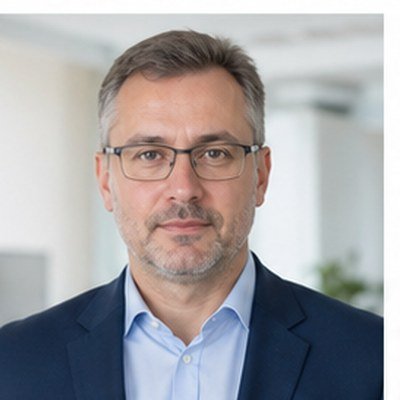 Maksym Levchenko6 min read


EXPERT / FinBlog Advisory
Cloud infrastructure & FinOps consultant
Cloud solutions architect with 12 years of experience across Azure, AWS, and GCP. Specializes in enterprise workload migration, hybrid infrastructure, and FinOps practices for cost control. Leads managed services with SLA deployment for banks and telecom.
Shifting from reactive invoice analysis to proactive cost modeling during architectural design using unit economics and AI assistants.
Maksym Levchenko6 min readMulti-cloud strategies without consistent FinOps transform cloud budgets into uncontrolled expenses where growth doesn't align with business value.
Maksym Levchenko5 min readAI in FinOps aids in forecasting and controlling cloud expenditure, ensuring budget transparency and resource management discipline.
Maksym Levchenko6 min readFinOps helps banks control rising cloud expenses, identify surplus resources, and ensure budget transparency in multi-cloud environments.
Maksym Levchenko7 min readAI-driven FinOps optimizes multi-cloud spending while ensuring NIS2 compliance. Effective cloud resource management under new regulations.
Maksym Levchenko5 min readFinOps helps companies effectively manage cloud resource expenses by combining finance and IT operations to maximize investment value.
Maksym Levchenko4 min readBy 2026, over 80% of large enterprises utilizing multi-cloud infrastructures will integrate artificial intelligence into their FinOps strategies to optimize costs and enhance efficiency. This shift is driven by the increasing complexity of cloud environments, dynamic provider pricing models, and the necessity for automated analysis of vast amounts of resource consumption data.
Maksym Levchenko4 min readUncontrolled cloud spending can consume up to 30% of a company's IT budget. FinOps offers a framework for optimization, combining financial accountability with engineering expertise.
Maksym Levchenko4 min read